

Media owners and communication practitioners across Ghana have been urged to embrace humility and readily issue public retractions whenever they misinform the public or publish inaccurate reports.
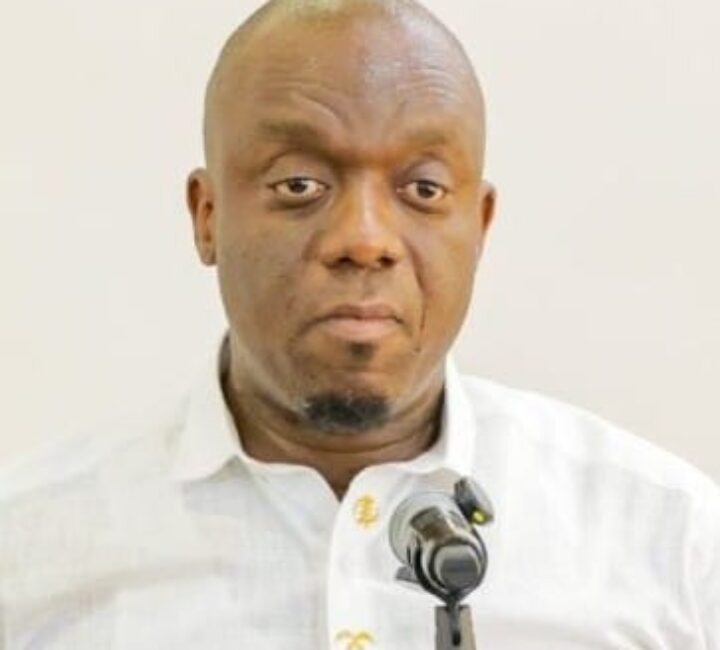
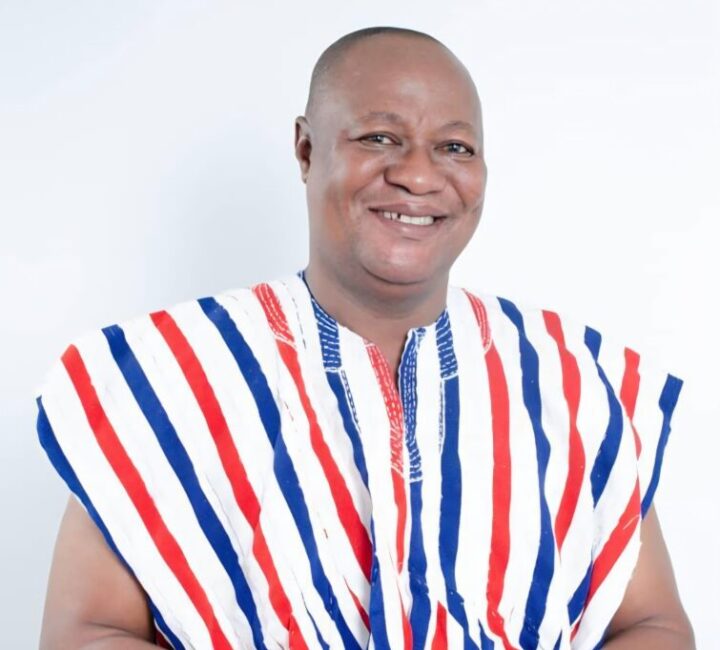
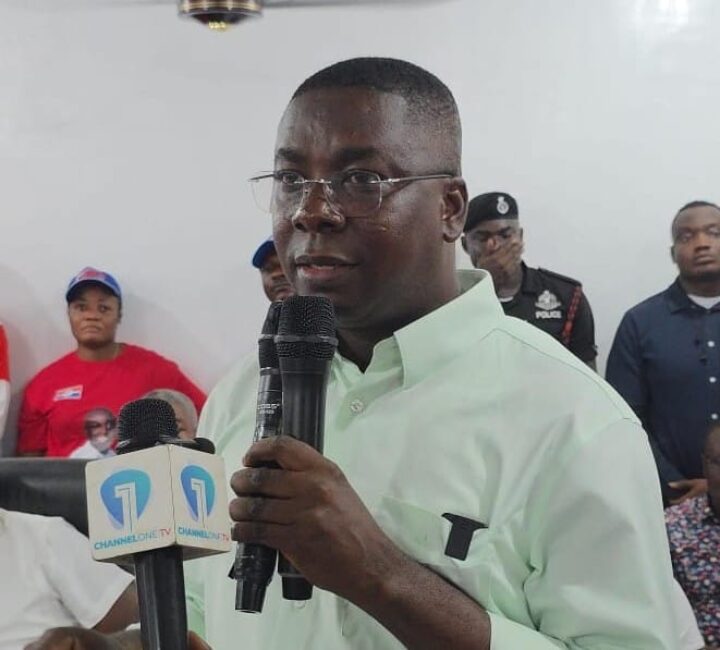
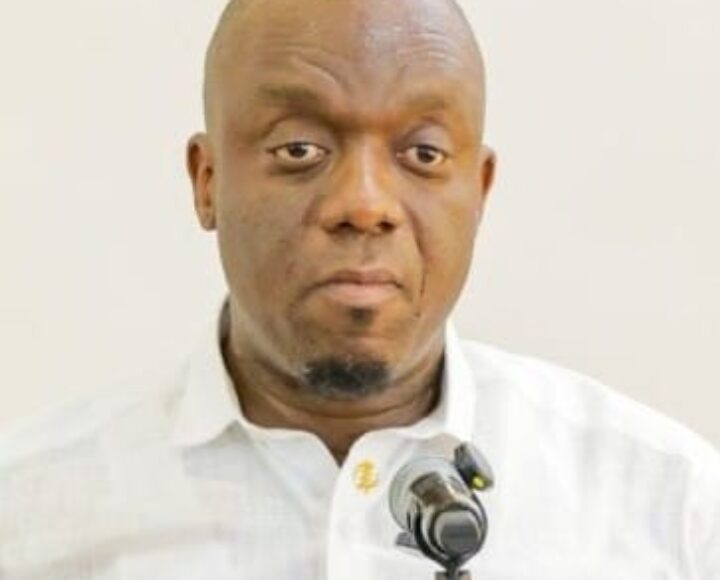
The call was made by Mr. Samuel Koku Anyidoho, former Director of Communications at the Presidency under the late President John Evans Atta Mills.
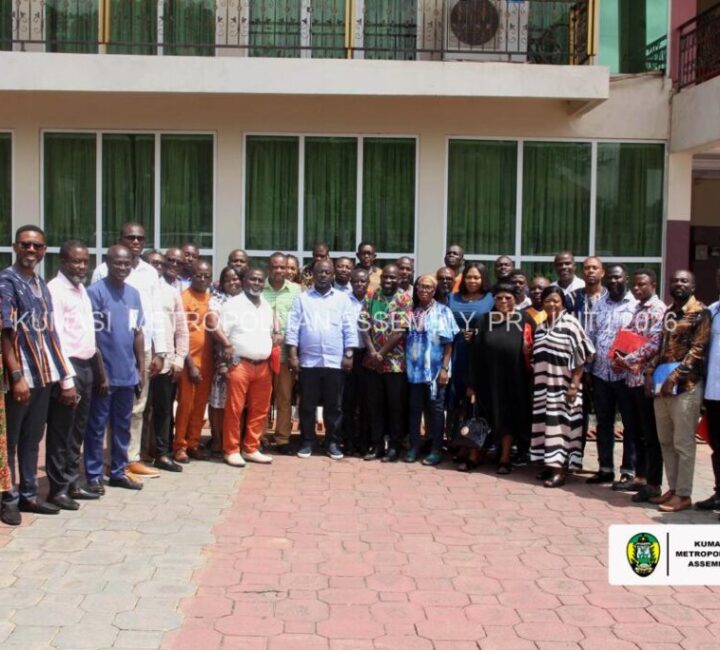
He was delivering a keynote address to students of the Media and Communication Sciences Association (MECSA) at the Kwame Nkrumah University of Science and Technology (KNUST) in Kumasi.
Speaking on the theme, “The Evolution and Role of the Media in Ghana’s Democratic Path from 1992 to 2026,” Mr. Anyidoho emphasized that professional ethics require journalists to uphold truthfulness and correct errors swiftly.
He noted that, “As media practitioners, the ethics of journalism enjoin us to churn out accurate and factual information,” Mr. Anyidoho stated. “When we get it wrong, we should be humble enough to apologise to the public and show remorse to those affected, so that our credibility remains intact.”
Ethical Responsibility:
Drawing from personal experience, the communications expert expressed concern over instances where individuals and media entities have published defamatory content about him yet refused to issue retractions, despite knowing the reports were false.
He cautioned against journalistic arrogance, warning that media organizations must not operate as tyrannical arbiters of truth.
“We do not know it all, and we must not operate as tyrants when our faults and flaws are pointed out to us,” he remarked.
Mr. Anyidoho commended long-standing national dailies, notably the Daily Graphic and the Ghanaian Times, for routinely setting a positive standard by publishing rejoinders and formal apologies whenever their coverage fell short of factual accuracy.
Historical Impact:
Reflecting on Ghana’s Fourth Republic (which began in 1992), Mr. Anyidoho acknowledged the pivotal role played by legacy print media in holding successive governments accountable.
Pioneer publications such as the Catholic Standard, the Accra Evening News, and others, he noted, braved harsh political landscapes to bring government actions under public scrutiny and strengthen democratic governance.
Looking ahead to the modern digital era, he urged practitioners to ensure that emerging digital platforms do not erode foundational standards.
“By and large, the media has played a significant role in our democratic journey,” he posited.
He added that, “It is now imperative that new media forms are shaped in a way that upholds, rather than degrades, the core tenets and values of journalism.”
Admonition:
Turning his attention to the aspiring communicators at KNUST, Mr. Anyidoho advised the students to remain disciplined, perfect their craft, and strictly adhere to professional codes of conduct.
Rather than relying solely on traditional employment, he encouraged them to leverage digital media to build personal brands and launch innovative ventures.
“Apply the knowledge you are acquiring to create something of your own through innovation,” Mr. Anyidoho urged.
He said, “Building strong media brands will not only serve you well individually, but it will also enable you to create employment opportunities for others.”
Other Speakers:
Professor Samuel Adu-Gyamfi, incoming Dean, Faculty of Social Sciences-KNUST called on students to learn from the best.
He also urged them to read from authors that will help stimulate their interests in media and to becoming the best in their fields.
Dr Daniel Norris Bekoe, University Relations Officer commended the students for showing interest in the public lecture and participating.
He urged them to imbibe entrepreneurial mindsets so they could use the experiences and skills they acquire in class to build something for themselves in school and after school.
Story By Michael Ofosu-Afriyie,
Kumasi.